



Tree Species
Explore the tree species used in our reforestation efforts, including their characteristics, ecological benefits, and planting requirements.
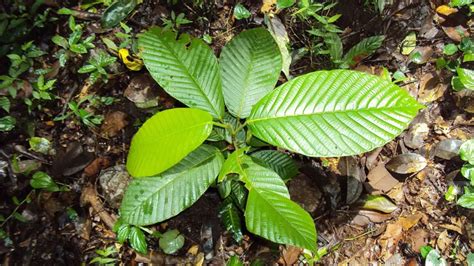
Apitong
NativeDipterocarpus grandiflorus
Apitong is a large native tropical hardwood found in lowland Philippine forests. Its tall trunk and deep roots help support forest structure and soil stability.
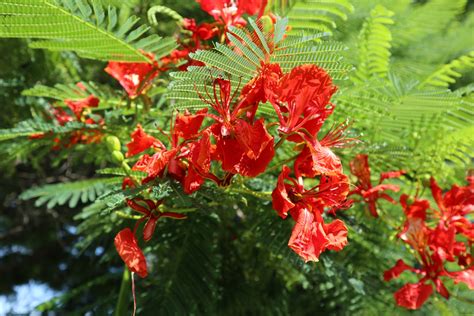
Fire Tree
IntroducedDelonix regia
The Fire Tree, also called Royal Poinciana, is an introduced ornamental tree known for its bright red-orange flowers and spreading shade.
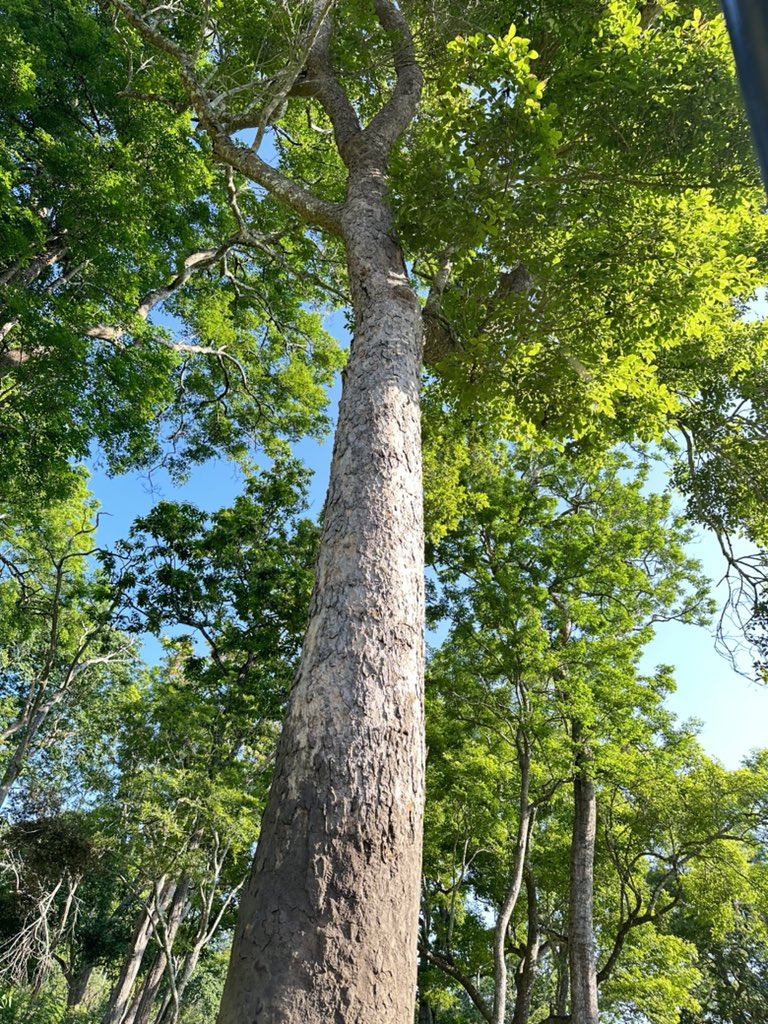
Lauan
NativeShorea spp.
Lauan refers to several Shorea species that are important trees of Philippine tropical forests. They support forest structure and biodiversity.
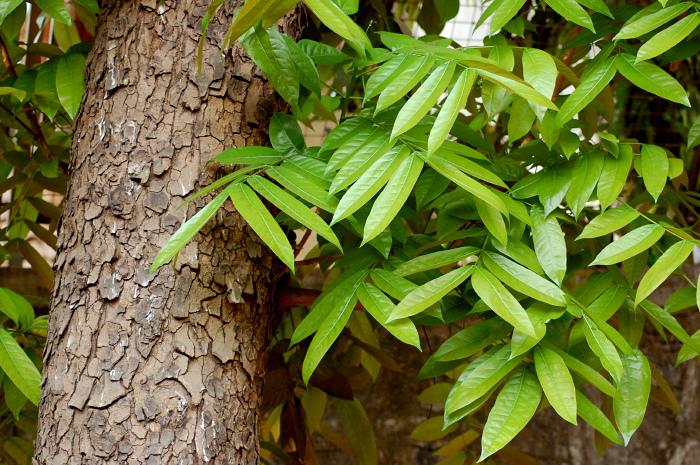
Mahogany
IntroducedSwietenia macrophylla
Mahogany is a fast-growing introduced tree with a straight trunk and dense wood. It is commonly planted in the Philippines, although mixed native forests support more wildlife.
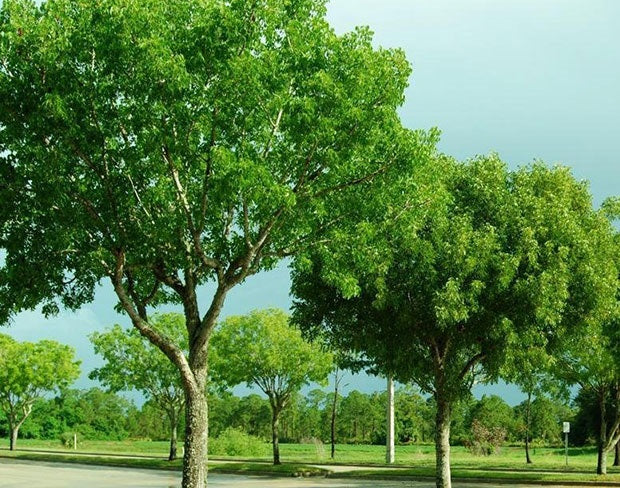
Mahogany 02
NativePterocarpus Indicus
Mahogany is a fast-growing introduced tree with a straight trunk and dense wood. It is commonly planted in the Philippines, although mixed native forests support more wildlife.
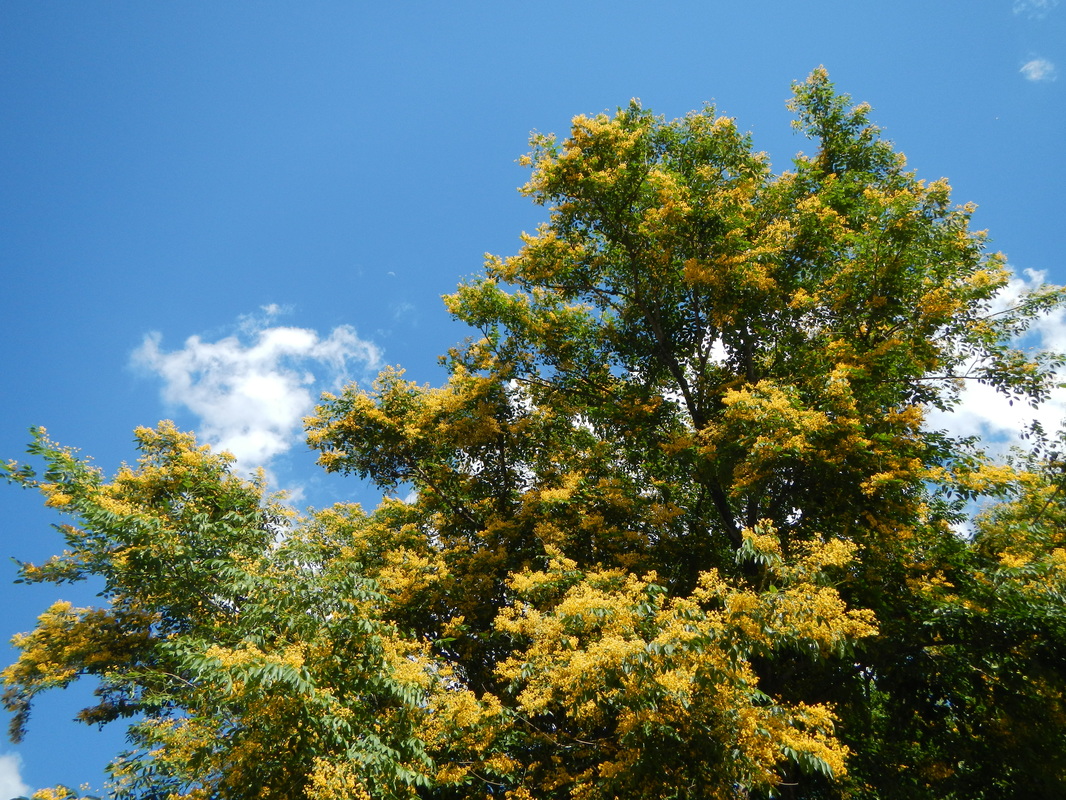
Narra
NativePterocarpus indicus
Narra is a large Philippine hardwood with a broad canopy and small yellow flowers. Its reddish wood is highly valued, so living trees should be protected and used responsibly.
Grow a Tree
Choose a tree to tend and see its growing phase. Remember to visit each day to water your sapling! Additionally earn a badge to show off!

Plant a new tree
Available when your current tree finishes growing.
Field Notes
Short facts from foresters and ecologists, plus a timeline of Philippines Reforestation.
Note: 01
Rainforestation farming in Leyte

Rainforestation Farming began in the early 1990s as a native-tree agroforestry approach. VSU established a research farm and helped create model farms in Leyte.
Note: 02
Protecting the Philippine Eagle habitat
Species-level data can guide habitat protection and conservation planning for native forests, including the habitat of the Philippine Eagle.
Note: 03
Bamboo and erosion control

FAO describes bamboo as a woody grass with more than 1,600 species. Its roots can bind soil, help control erosion, conserve water, and add carbon-rich organic matter.
Note: 04
Mangroves as coastal protection

Mangroves provide nursery grounds for fish, prawns, and crabs while buffering storm surges and waves and trapping upland sediment.
Note: 05
Restoring degraded ecosystems
The UN Decade on Ecosystem Restoration describes restoration as preventing, halting, and reversing ecosystem degradation to support people, climate resilience, and biodiversity.
Note: 06
Why forests matter
Forests regulate rainfall, store carbon, shelter biodiversity, and provide food, income, and shelter for millions of people.
Short history of Philippine reforestation
A few milestones that shaped forest protection, community stewardship, and restoration in the Philippines.
-
The Revised Forestry Code placed protection, rehabilitation, and development of forest lands among the State’s forestry policies.
P.D. No. 705 -
Visayas State University established a Rainforestation research farm in Leyte, advancing native-tree restoration with local livelihoods.
Visayas State University -
Executive Order No. 263 adopted community-based forest management as the national strategy for sustainable forestlands.
E.O. No. 263 -
Executive Order No. 26 launched the National Greening Program, targeting 1.5 billion trees across 1.5 million hectares from 2011 to 2016.
E.O. No. 26 -
Executive Order No. 193 expanded the program to remaining unproductive, denuded, and degraded forestlands through 2028.
E.O. No. 193
-
DENR reports that 1.6 million hectares had been planted by the end of the National Greening Program’s initial 2011–2016 phase.
DENR progress record -
DENR’s Forestland Management and Integrated Natural Resources projects rehabilitated 23,856 hectares of denuded and degraded forestland across seven major river basins.
DENR 2020 Annual Report -
DENR reported planting 95,666 hectares with 70.72 million seedlings under the Enhanced National Greening Program.
DENR 2021 Annual Report -
DENR launched Forests for Life: 5 Million Trees by 2028, a nationwide reforestation initiative that drew pledges beyond its original target.
Forests for Life launch -
NGP regional coordinators met to shape the program’s design framework and update the national reforestation policy plan.
FMB consultation